River Stewardship & Conservation
Healthy rivers are essential for wild fish, wildlife, and the future of river fishing. Alongside guiding and tuition, ongoing work is carried out to help protect and improve the rivers on which the business depends.
This work is practical, local, and continuous.
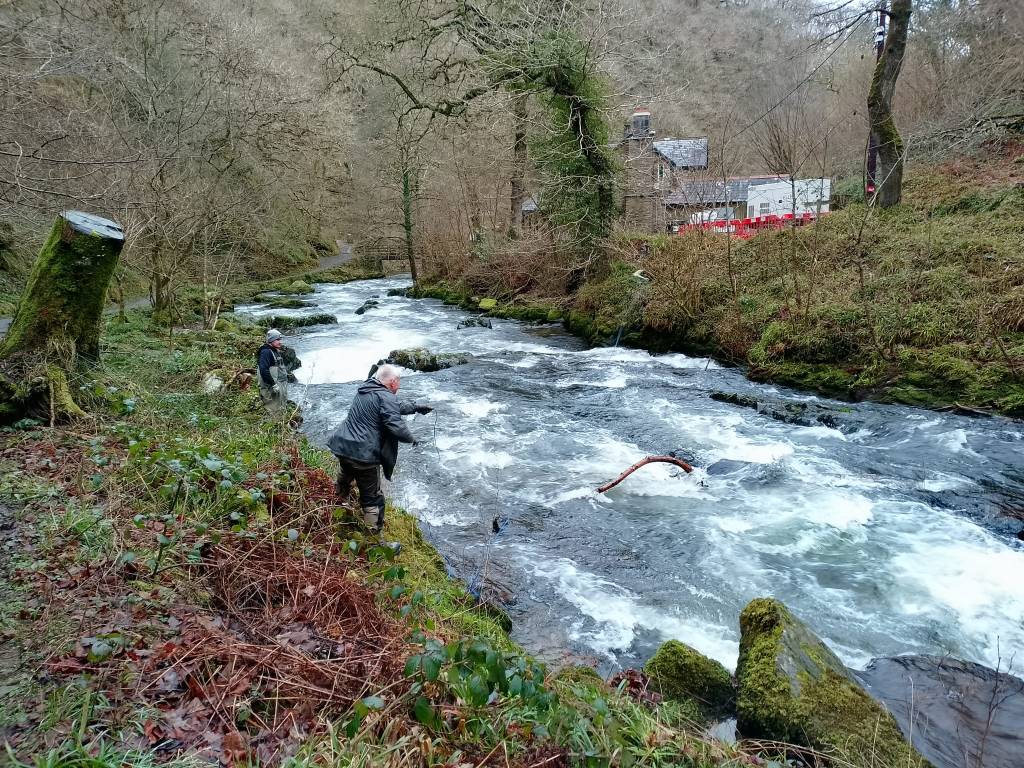
Caring for Rivers in Practice
Storms, high water, and seasonal changes regularly leave rivers impacted by fallen timber, debris, and pollution. Where appropriate and safe to do so, routine work includes:
- Removing plastic and waste from riverbanks
- Clearing debris that disrupts natural flow or blocks fish passage
- Managing fallen branches where they create hazards
- Monitoring river condition following storms and spates
- Reporting pollution or environmental concerns to relevant bodies
These small, consistent actions help maintain river health and improve the experience for wildlife and anglers alike.
Protecting Fish Habitat
Wild salmon, sea trout, and brown trout depend on clean water, stable riverbeds, and unobstructed migration routes.
Stewardship efforts focus on:
- Protecting spawning areas
- Minimising disturbance to sensitive habitats
- Promoting responsible catch-and-release practices
- Encouraging anglers to fish in ways that support long-term river health
Guiding is delivered with these principles in mind at all times.
Supporting Cleaner Water
Declining water quality is one of the greatest challenges facing UK rivers. Ongoing support is given to initiatives and conversations that aim to:
- Reduce pollution entering rivers
- Improve water management practices
- Increase awareness of river health
- Encourage responsible behaviour from all river users
This approach is practical rather than political, focused on outcomes that benefit rivers and fisheries.
Working With the Local Environment
Rivers are shared spaces. Effective stewardship often involves collaboration with:
- Landowners
- Angling clubs
- Conservation groups
- River trusts
- Local communities
Sharing observations from time spent on the water helps contribute to a better understanding of river conditions over time.
Responsible Guiding
Every guided day follows simple principles:
- Respect the river first
- Leave no waste behind
- Minimise disturbance
- Fish within conditions
- Prioritise fish welfare
- Adapt methods when rivers are under pressure
Clients are encouraged to adopt these habits beyond their visit.
A Long-Term View
River stewardship is not a one-off activity. It is an ongoing commitment shaped by regular time spent on the water across seasons and years.
The aim is straightforward:
to help ensure West Country rivers remain healthy, fishable, and resilient for future generations.
If you’re interested in fishing in a way that supports river health, this approach will feel familiar.
 West Country River Guide